Practical home readiness — without the panic
Simple plans for power outages, water disruptions, and short-term emergencies. Start small, stay organized, and build what makes sense for your home.
Browse by topic
Lighting, charging, runtime planning, and safe backup power basics.
How much to store, where to keep it, and how to rotate safely.
A simple kit list for staying home or leaving fast.
No-cook and minimal-cooking pantry basics and rotation planning.
Flashlights, headlamps, lanterns, and battery storage tips.
Family contact plans, radios, and simple redundancy.
Go-bags, car kits, documents, and evacuation checklists.
Basic safety, first-aid basics, and hygiene & sanitation.
Practical readiness for households with kids, pets, or seniors.
Featured guides

For a hailstorm home preparation checklist, park vehicles in a garage when time allows, close and latch windows…

Neither format is universally better. Combination smoke and carbon monoxide alarms reduce device count, while separate smoke and…
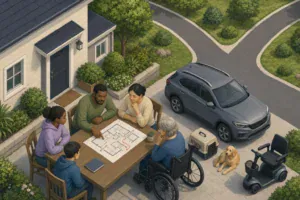
Use this evacuation plan template to record a primary and backup destination, two possible routes, transportation, conditional household…
Latest guides
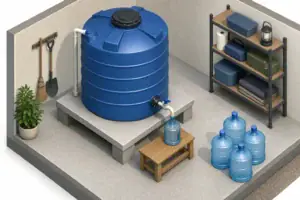
Potable water tanks can work well for sheltering at home when you can store the required…
A gas stove during a power outage may have limited use, but the answer depends on…
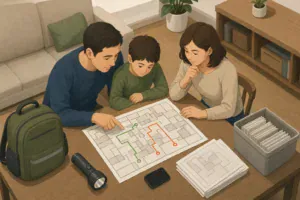
To find your local evacuation map, begin with your city or county emergency-management website and its…
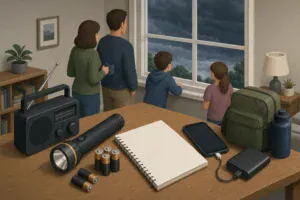
Use a storm tracker as a decision tool: confirm the location and update time, read the…

The National Flood Insurance Program may offer flood coverage to eligible property owners and renters in…
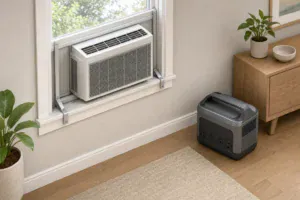
A power station can run some window air conditioners when its AC output matches the unit’s…

For power outages in my area, find the company that maintains the electric wires for your…

A portable carbon monoxide detector can add a standalone warning in approved temporary indoor lodging or…

To prepare for upcoming weather, check the official forecast and any local instructions first. Then charge…